Quick answer
After purchase, an LED screen’s running cost is mainly electricity, spare parts and maintenance labour. Indoor walls average about 95–100 W/m² and outdoor SMD boards about 170–220 W/m², so a 6.72 × 3.84 m (22.0 × 12.6 ft) outdoor board running 18 hours a day uses roughly 28,800 kWh a year. Standard spare modules cost US$13–US$126 each depending on pitch and size. Shipping is quoted per order from the packed weight, volume and destination.
Sources used: EA640F2 Indoor LED Display; EA960F4 Advertising LED Display; EA960R4 LED Display Billboard; EA250WH5 Ultra-Thin Indoor LED Display Wall
Budget three ledgers: getting the screen to site (freight, insurance, import), running it (energy) and keeping it working (spares, labour, support contract).
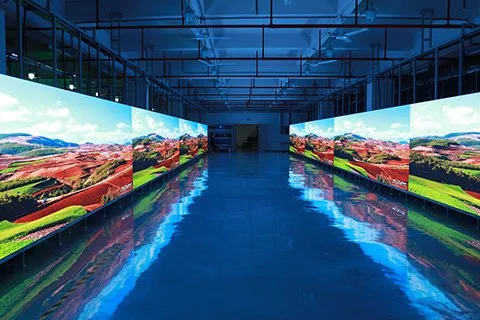
LED screen power consumption by model
Power depends on the model, pitch, brightness setting and content. These figures come from EagerLED product specifications for the exact versions listed.
| Model and version | Maximum power | Average power | Typical use |
|---|---|---|---|
| EA640F2 P2.5, indoor | 300 W/m² | 100 W/m² | Meeting rooms, lobbies |
| EA250WH5 P2.5, indoor | 280 W/m² | 95 W/m² | Shallow indoor walls |
| EA960F4, outdoor | 500 W/m² | 170 W/m² | Advertising billboards |
| EA960R4 P8, outdoor SMD | 650 W/m² | 220 W/m² | Rear-service billboards |
| EA960R4 P10, outdoor DIP | 330 W/m² | 110 W/m² | High-brightness billboards |
Use the average figure for the energy bill and the maximum figure to size circuits, UPS and generators. Average vs maximum LED power explains why the two differ so much.
How much electricity does an LED screen use?
Energy per year = active area (m²) × average power (kW/m²) × hours per day × days per year.
| Example | Area | Average power | Hours | Energy per year | Each US$0.10 per kWh costs |
|---|---|---|---|---|---|
| Indoor EA640F2 P2.5, 3.20 × 2.40 m (10.5 × 7.9 ft) | 7.68 m² (82.7 sq ft) | 0.77 kW | 10 h × 365 days | about 2,800 kWh | about US$280 a year |
| Outdoor EA960F4 P10, 6.72 × 3.84 m (22.0 × 12.6 ft) | 25.8 m² (277.8 sq ft) | 4.4 kW | 18 h × 365 days | about 28,800 kWh | about US$2,880 a year |
Multiply the last column by your local tariff in tenths of a dollar: at US$0.20 per kWh, the outdoor board costs about US$5,760 a year to run. Brightness settings and content change the real figure, so treat it as a scenario until you can measure the installed screen. Automatic dimming at night is the cheapest energy saving for an outdoor board. The outdoor board above needs a supply sized for about 12.9 kW at maximum.
LED spare parts price list
| Spare part | Price per piece | Product page |
|---|---|---|
| EA250WH5 module, 250 × 250 mm (P1.25 GOB to P3.91) | US$20–US$97 | EA250WH5 |
| EA640H1 module, 320 × 160 mm (P1.25 GOB to P2.5) | US$29–US$81 | EA640H1 |
| EA600COB3 COB module (P1.87 to P0.62) | US$24–US$324 | EA600COB3 |
| Indoor 320 × 160 mm module (P4 to P1.25 GOB) | US$13–US$65 | Indoor LED modules |
| Outdoor 320 × 160 mm module (P10 to P1.86) | US$14–US$126 | Outdoor LED modules |
Reference ex-factory prices from the EagerLED Aug 2026 price list, in USD, for the standard configuration; final pricing is subject to a formal quotation. Spares must match the installed model, pitch and module revision; modules of the same size are not automatically interchangeable.
Buying spares with the original order gets you modules from the same production batch, which makes colour matching easier later. For a 240-module wall, a 5% stock of 12 EA250WH5 P2.6 modules costs US$336; the LED wall calibration cost guide works through that example and the re-calibration that follows a repair.
LED display maintenance contract: what it should cover
A maintenance contract is priced for the site, so compare what each offer covers rather than the headline fee:
| Contract item | What to settle in writing |
|---|---|
| Spares | Which modules, receiving cards and power supplies are stocked on site, and who owns them |
| Response | Remote support hours, site response time and what counts as an emergency |
| Labour | Who diagnoses and swaps parts, and the callout and travel rates |
| Parts freight | Who pays to return faulty parts and ship replacements |
| Inspection | Scheduled visits, what is checked and how results are recorded |
| Cleaning | Which products and methods protect the surface and the warranty |
| Software | Licences, updates, backups and passwords |
| Calibration | Whether colour matching after a repair is included |
A longer warranty does not remove these costs: labour, access, diagnosis, freight and downtime may fall outside parts coverage. Log faults by serial number so a batch or environmental problem shows up early, and train the local team to tell a signal fault from a power or module fault. The LED display fault diagnosis guide covers the common symptoms.
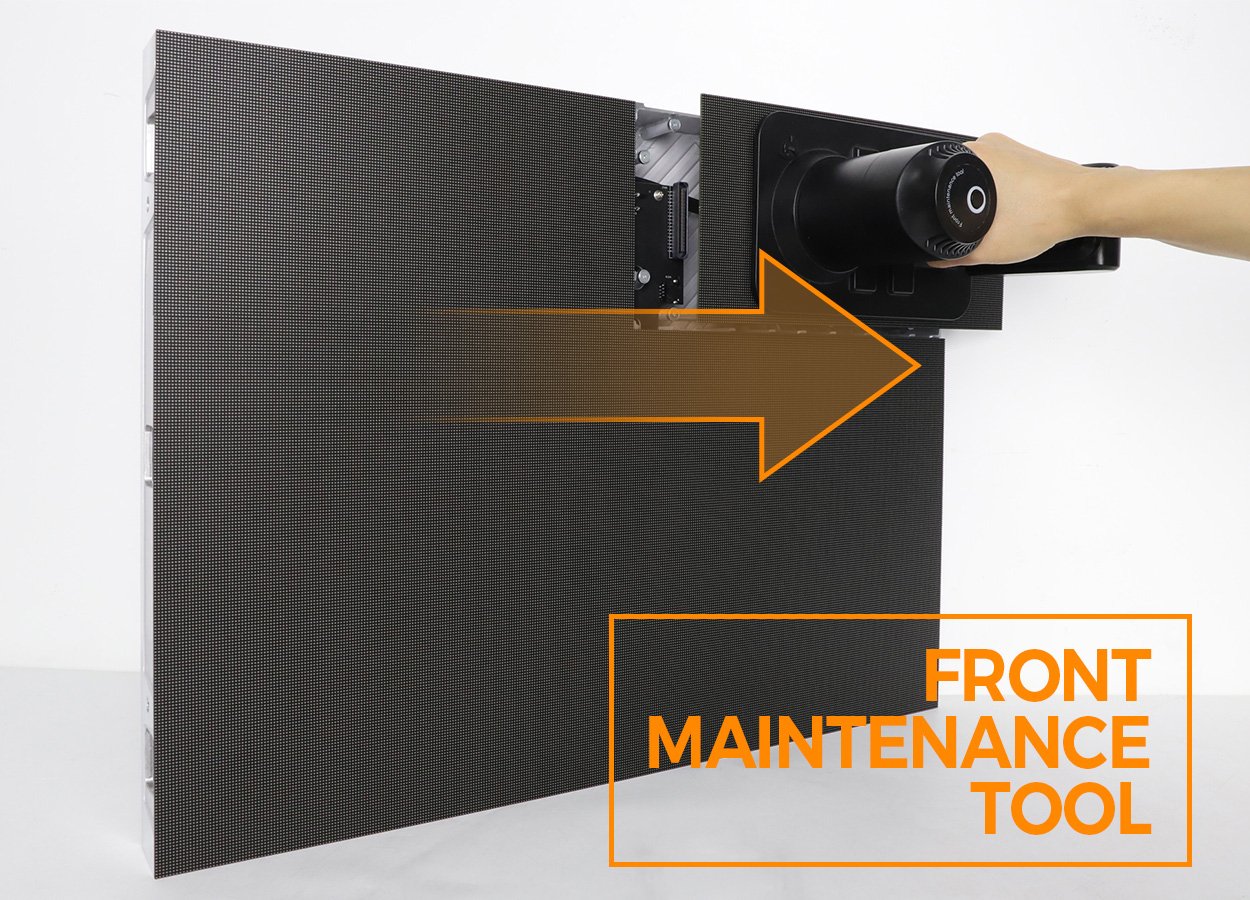
Shipping an LED screen: what goes into the landed cost
Freight is quoted from the packed shipment, not the screen area. Cabinet weight gives a first estimate before packing:
| Cabinet | Size | Weight per cabinet |
|---|---|---|
| EA640F2 indoor | 640 × 480 mm | 7.5 kg |
| EA960R4 outdoor | 960 × 960 mm | 23 kg |
| EA960F4 outdoor | 960 × 960 mm | 25.3 kg |
| EA1000F2 outdoor | 1000 × 1000 mm | 28.4 kg |
The 28 cabinets of the 6.72 × 3.84 m EA960F4 board weigh about 708 kg (1,561 lb) before crates; the 25 cabinets of the 3.20 × 2.40 m indoor wall weigh about 188 kg (413 lb). Packing, crates and accessories add to that.
Ask the supplier for the number of crates or flight cases, their dimensions and gross weight, the pickup point, transport mode and estimated transit. Then get each cost on its own line: origin charges, main freight, cargo insurance, destination handling, customs brokerage, duty, tax, storage and final delivery with unloading. State clearly who pays for and insures each leg. Duty rates depend on the product classification at your destination, so ask a customs broker rather than copying another buyer’s rate.
Before dispatch, ask for packing photographs, a serial-number list and insurance documents. On arrival, inspect the crates before signing, photograph any damage and follow the carrier’s claim procedure.
Five-year LED screen ownership budget
| Line | Year 1 | Years 2–5 |
|---|---|---|
| Freight, insurance, duty and tax | Quoted per order | — |
| Electricity | Area × average power × hours × tariff | Same, each year |
| Spare stock | Bought with the order | Top-ups after repairs |
| Maintenance contract | Often inside warranty | Annual fee per written offer |
| Callouts and access equipment | Per visit | Per visit |
| Calibration after repairs | Per visit | Per visit |
| Software and licences | As quoted | Renewals |
Keep contingencies visible rather than hiding them in a guessed percentage. For the purchase side of the budget, see the LED screen price overview and hardware vs installed cost.
Frequently asked questions
How much electricity does an LED screen use?
Indoor LED walls average about 95–100 W/m² and outdoor SMD boards about 170–220 W/m², with maximums of 280–650 W/m². A 7.68 m² indoor wall running 10 hours a day uses about 2,800 kWh a year.
How much do LED screen spare parts cost?
Standard 320 × 160 mm and 250 × 250 mm spare modules cost US$13–US$126, depending on pitch. Fine-pitch COB modules cost up to US$324.
How much does an LED display maintenance contract cost?
It is priced for the site: screen size, location, response time, stocked spares and whether labour and calibration are included. Compare offers line by line using the table above.
How many spare modules should I buy?
Ask the supplier to recommend a quantity for your wall and its replenishment time. Remote sites and long shipping times justify a larger stock; buy them with the original order for batch matching.
How is LED screen shipping priced?
By packed weight and volume, mode, route and destination, plus insurance, import charges and local delivery. Ask for the crate list and gross weights to get comparable freight quotes.
Send your screen size, location and operating hours through the quote request form for a full ownership estimate.
Check the details
Sources & references
Source pages can change. Access dates record when they were consulted.
- EA640F2 Indoor LED Display Accessed 29 October 2026
- EA960F4 Advertising LED Display Accessed 29 October 2026
- EA960R4 LED Display Billboard Accessed 29 October 2026
- EA250WH5 Ultra-Thin Indoor LED Display Wall Accessed 29 October 2026
Put these details into your project brief.
Tell EagerLED the application, destination and screen dimensions you have in mind.
Request a project quote